Beyond
Neutral Spaces
Beyond Neutral Spaces
Bachelor Project
- The Challenge
With no predefined brief, the challenge was to find and develop my own design question. After an extended process of exploring different topics and approaches, I focused on the relationship between space, atmosphere and the feeling of safety. I wanted to investigate how a safe space could be made physically and sensorially perceivable, while acknowledging that safety and belonging cannot be created through one universal spatial solution.
- The Solution
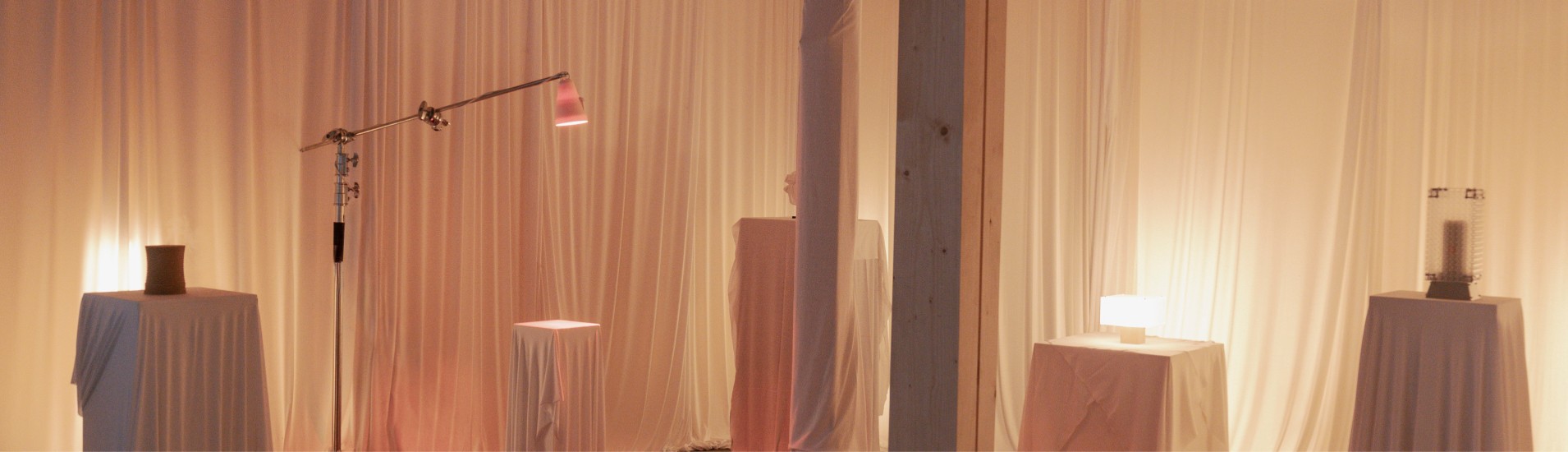
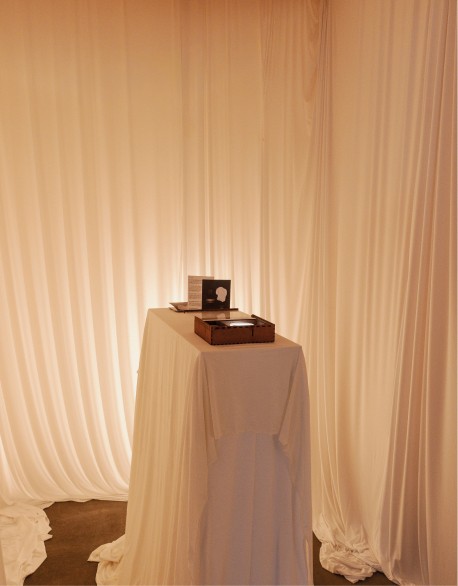
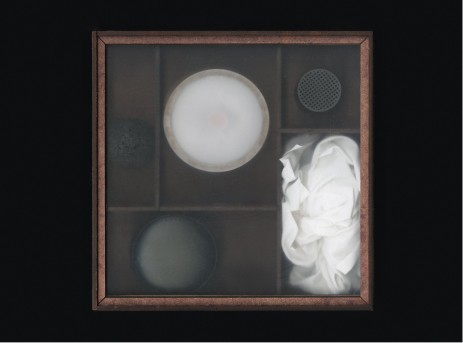
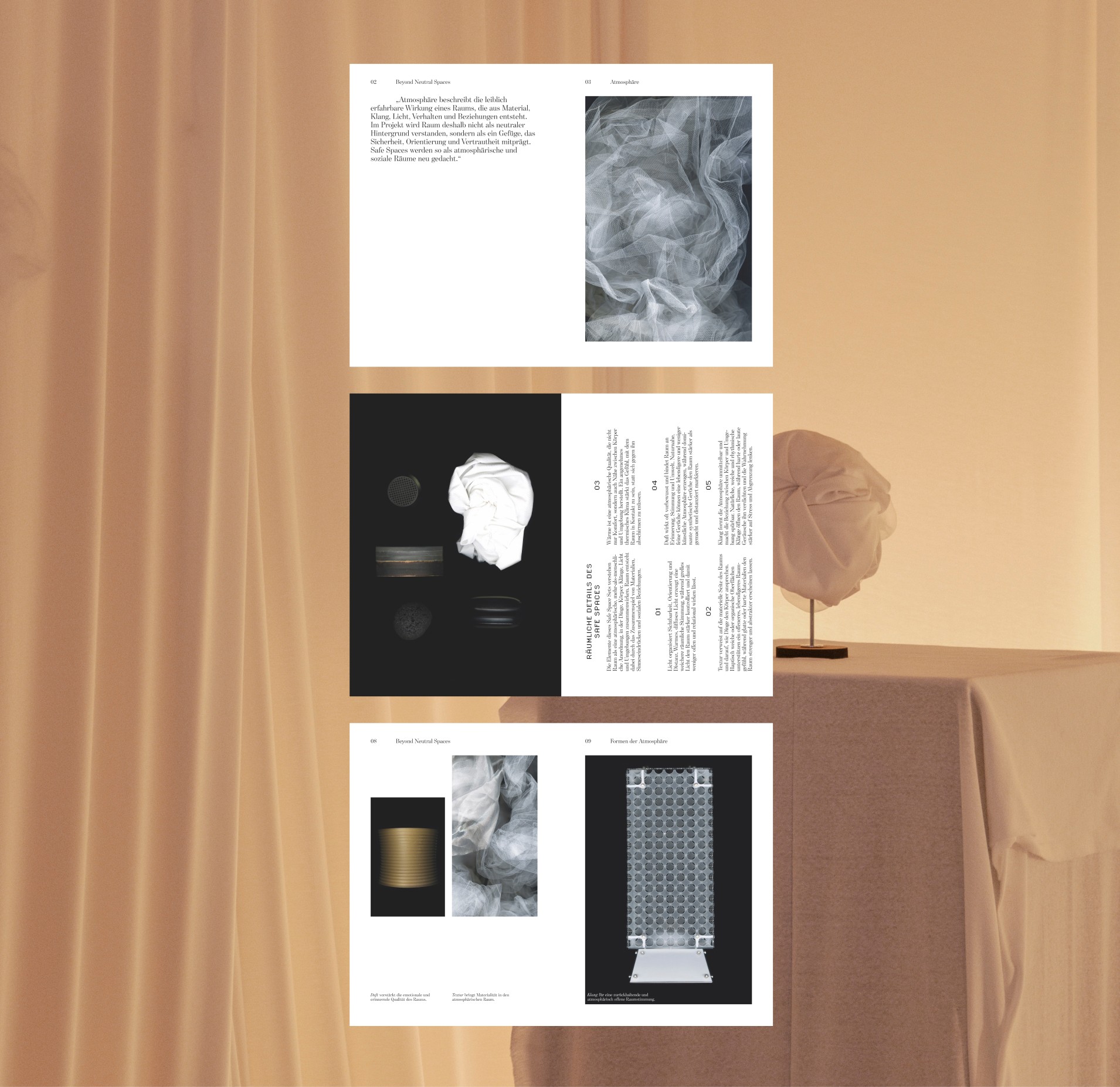
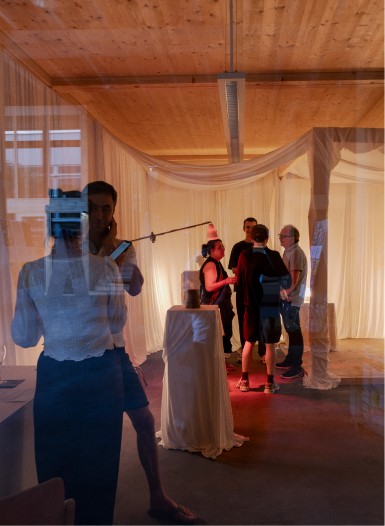
The result was a mobile, modular toolkit consisting of five sensory elements: light, warmth, scent, sound and texture. Combined with larger spatial interventions, the toolkit was used to create an exhibition that makes safety, comfort and belonging physically and sensorially perceivable. Rather than defining Safe Space as a fixed room, the project presents it as a flexible experience shaped by space, material, atmosphere and use.
- The Approach
I approached the project through Research through Design, using making as a way to question how safety, comfort and belonging can become spatially perceptible. Based on research into atmosphere, relational space, care and exclusion, I developed five sensory design parameters: light, warmth, scent, sound and texture. These were not treated as universal solutions, but as open parameters for investigating how spatial experience emerges through the interaction of body, material, atmosphere, memory and social context. The aim was not to design a universally safe room, but to explore how design can create conditions in which Safe Space may become situationally possible.


- The Process
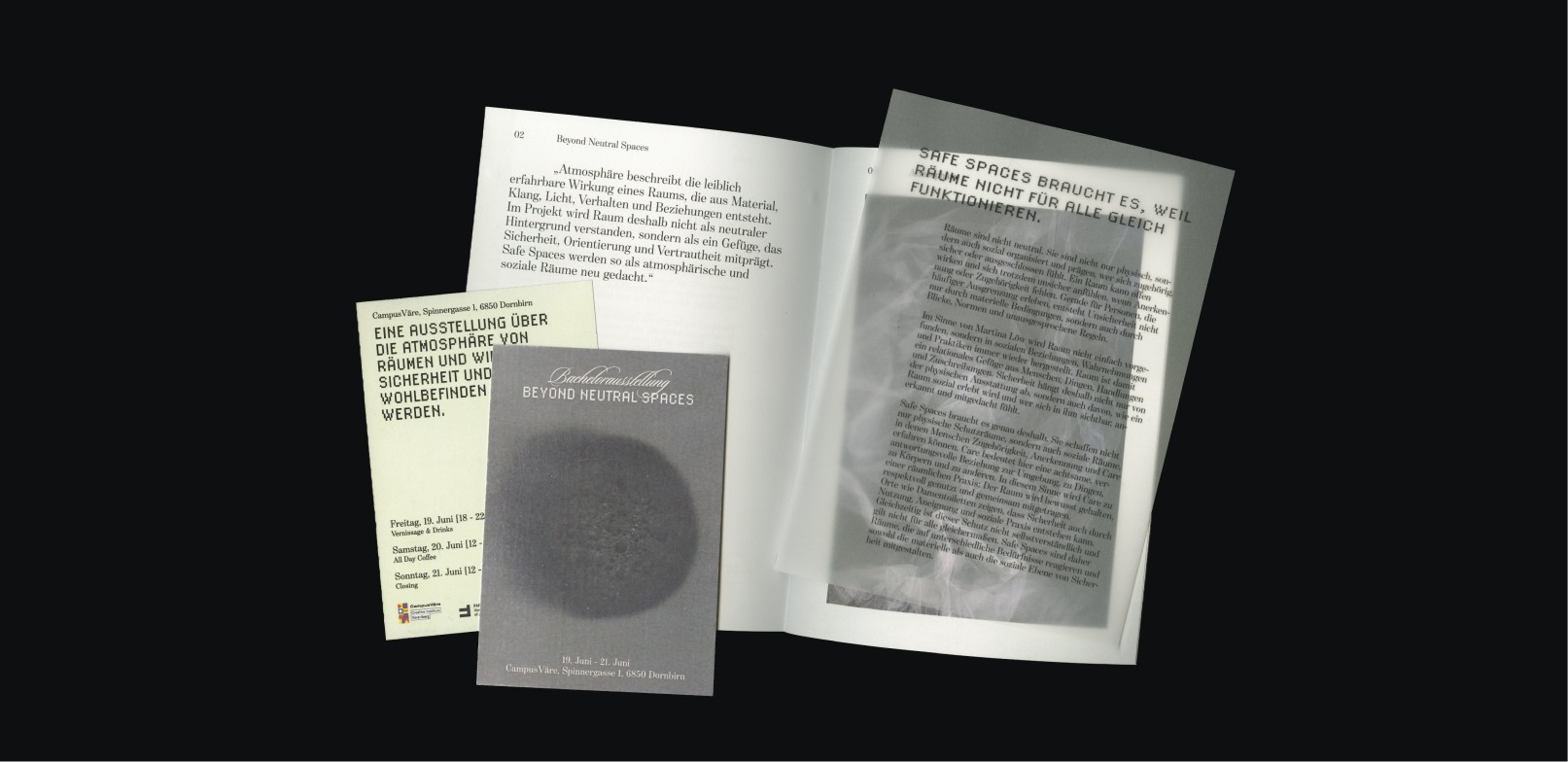
The process followed an iterative cycle of framing, making, testing and reflection. I tested the five elements individually and in combination across different private and public situations, documenting how they affected orientation, retreat, comfort and perceived safety. The results challenged the assumption that sensory qualities could reliably produce a Safe Space: some interventions created calm or familiarity, while others remained ineffective or depended strongly on context, mood and social relations. I therefore developed the elements into a flexible toolkit rather than a fixed solution. Through Cultural Probes, Emotion Mapping, interviews and written responses, I continued to evaluate how the exhibition was perceived. The process ultimately showed that design cannot guarantee safety, but can offer adaptable, legible and care-oriented conditions that users interpret and appropriate themselves.